
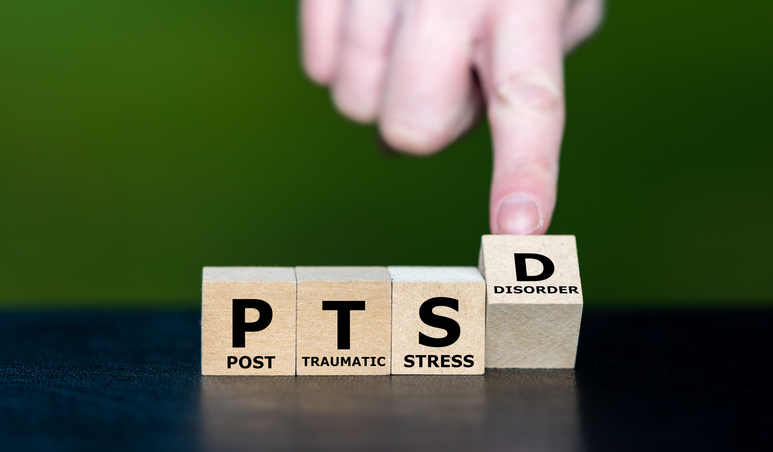
Navigating the complexities of mental health often reveals unexpected intersections between seemingly unrelated conditions. When individuals experience profound psychological distress, the mind and body search for mechanisms to cope, survive, and regain a sense of control. For many people, examining dual diagnosis challenges uncovers a deeply rooted connection between post-traumatic stress disorder and compulsive behaviors. Recognizing how these challenges interact is a vital step toward achieving lasting healing and emotional stability.
Trauma leaves an indelible mark on the human nervous system. Whether stemming from a single catastrophic event or prolonged exposure to adverse circumstances, psychological trauma alters how a person processes stress, fear, and vulnerability. When the brain remains trapped in a state of hyperarousal or emotional numbness, individuals frequently seek external outlets to soothe their internal turmoil. This search for relief can manifest in various compulsive habits, including maladaptive sexual patterns. Understanding why these behaviors develop requires looking closely at the intersection of PTSD and sex addiction.
The Prevalence and Statistics of Co-Occurring Trauma
Research highlights the prevalence of these overlapping concerns among individuals seeking professional help. Studies indicate that up to thirty percent of individuals seeking treatment for compulsive sexual behavior also meet the diagnostic criteria for post-traumatic stress disorder. This high rate of co-occurrence demonstrates that compulsive sexual habits frequently serve as an unconscious attempt to self-medicate the overwhelming anxiety, shame, and intrusive memories associated with unresolved trauma.
The Neurobiology of Trauma and Coping Mechanisms
The human brain relies on neurochemistry to regulate mood and emotional responses. Traumatic experiences disrupt normal neurotransmitter regulation, leading to chronic feelings of emptiness or distress. Engaging in compulsive sexual activity triggers a temporary surge of dopamine and endorphins, providing a fleeting escape from psychological pain. Over time, the brain begins to wire this cycle into its daily functioning. What starts as a desperate coping mechanism transforms into an entrenched behavioral cycle that feels entirely outside of individual control.
To understand the connection more deeply, it helps to look at the primary symptoms of trauma. Individuals living with post-traumatic stress disorder often experience persistent intrusive thoughts, sudden flashbacks, chronic sleep disruptions, and severe emotional dysregulation. The nervous system becomes perpetually hypervigilant, scanning the environment for perceived threats even when safety is present. In contrast, some individuals respond to trauma through severe emotional detachment and dissociation, feeling completely disconnected from their bodies and feelings.
Hyperarousal, Dissociation, and the Cycle of Shame
Both ends of this spectrum can drive compulsive behaviors. When an individual is overwhelmed by hyperarousal and intense panic, compulsive sexual behavior acts as a powerful temporary sedative, calming the nervous system through short-lived neurochemical flooding. Conversely, when an individual experiences profound numbness and dissociation, high-intensity sexual behaviors can be used to generate a sensation of feeling alive or grounded. In both instances, the behavior functions as a tool for emotional regulation rather than genuine intimacy.
The social and emotional toll of living with both conditions simultaneously can be overwhelming. Trauma often creates a deep sense of isolation, mistrust, and shame. When compulsive sexual habits develop alongside trauma, that feeling of shame multiplies exponentially. Individuals often find themselves trapped in a destructive cycle: trauma triggers intense emotional pain, the pain leads to compulsive sexual behavior, the behavior produces overwhelming guilt and secrecy, and the resulting shame triggers the trauma response once again. Breaking out of this vicious loop requires targeted clinical support that treats both issues with care and expertise.
It is also common for individuals struggling with these co-occurring issues to encounter difficulties in their interpersonal relationships. True intimacy requires emotional safety, trust, and mutual vulnerability. Trauma often makes emotional closeness feel dangerous, causing individuals to push loved ones away or seek sexual connections devoid of genuine relationship depth. Over time, this dynamic can erode long-term partnerships, strain family relationships, and exacerbate feelings of solitude and hopelessness.
Integrated Dual Diagnosis Care and Therapeutic Approaches
Addressing these complex challenges requires looking closely at dual diagnosis care models. Specialized treatment centers focus on providing integrated interventions that treat trauma and behavioral addictions together. Addressing only the sexual compulsion while leaving the underlying trauma unaddressed often leads to symptom substitution, where an individual gives up one compulsive behavior only to pick up another. True healing comes from treating the whole person and resolving the initial emotional wounds.
Trauma-informed care provides a compassionate framework for individuals to explore the root causes of their distress without judgment. Specialized therapeutic modalities play a pivotal role in this process. Eye movement desensitization and reprocessing therapy helps reprocess traumatic memories so they no longer trigger extreme emotional reactions. Cognitive behavioral therapy assists individuals in recognizing maladaptive thought patterns and replacing destructive coping behaviors with healthier choices. Dialectical behavior therapy provides practical tools for distress tolerance, emotional regulation, and mindfulness.
In addition to individual therapy, structured group work and peer support offer immense value during recovery. Sharing experiences with others who have faced similar struggles helps dismantle the profound shame and secrecy that so often surround PTSD and sex addiction. Group environments provide a safe space to practice communication skills, set healthy boundaries, and build authentic connections without relying on sexualized behaviors or avoidance.
Mental Health Care and Recovery Support in Washington DC
Residents living in Washington DC and surrounding communities have access to a robust spectrum of mental health services designed to address these complex needs. Local clinical programs offer tailored outpatient care, intensive outpatient tracks, and partial hospitalization options. These flexible levels of care allow individuals to receive structured clinical support while continuing to fulfill their personal, professional, and family commitments throughout the recovery process.
Community resources and specialized treatment facilities across the Washington DC region emphasize holistic wellness, incorporating physical, emotional, and psychological support into individualized recovery plans. By working alongside licensed therapists, psychiatric professionals, and supportive community networks, individuals can gradually restore balance to their nervous systems, regain control over their behaviors, and cultivate meaningful, healthy relationships.
Path to Healing and Emotional Sobriety
Achieving long-term recovery involves far more than simply abstaining from compulsive behaviors. It is an ongoing journey of restoring self-worth, developing resilience, and learning how to experience vulnerability without resorting to old defense mechanisms. By addressing the core wounds of trauma, individuals can break free from the cycle of distress and build a fulfilling life aligned with their personal values. Taking the first step toward professional support opens the door to profound personal transformation and renewed hope for the future. Contact us today to learn how we can help.
