
Depression can feel like a persistent heavy weight that colors every aspect of daily life. Traditional talk therapy and medication offer tremendous relief for many individuals, yet others find themselves searching for deeper, long-lasting healing when standard approaches fall short. In recent years, dynamic targeted therapies have expanded the way mental health professionals approach major depressive disorder and persistent depressive conditions. One approach gaining significant momentum among clinicians and clients alike is Eye Movement Desensitization and Reprocessing.
While originally created to treat post-traumatic stress, clinicians increasingly recognize how effective this approach can be for mood disorders. Many people asking can EMDR be used for depression are surprised to learn that underlying target memories often fuel chronic negative belief patterns. At Verve Behavioral Health, our team provides evidence-based care tailored to your unique emotional landscape, helping individuals process past burdens and step into renewed vitality.
Understanding how EMDR addresses depressive disorders
Depression often stems from deeply ingrained beliefs about oneself, such as feelings of worthlessness, helplessness, or persistent guilt. These beliefs do not usually appear out of nowhere. Instead, they are frequently anchored to distressing life events, early childhood experiences, chronic stress, or unaddressed trauma. When a challenging experience is not fully processed by the brain, the emotions, negative thoughts, and physical sensations connected to that moment can remain trapped in the nervous system.
Research demonstrates the notable effectiveness of this approach for mood conditions. Clinical studies indicate that approximately 70 percent of individuals receiving EMDR therapy for depression report significant reduction in symptoms, with many achieving full remission from depressive episodes after completing a targeted protocol. This high success rate highlights how resolving unresolved past experiences can relieve current emotional suffering.
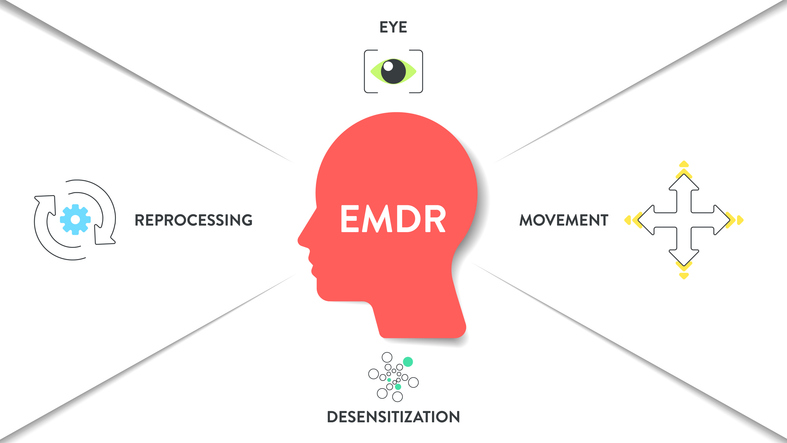
Eye Movement Desensitization and Reprocessing works by utilizing bilateral stimulation, typically through side-to-side eye movements, alternating auditory tones, or gentle tactile taps. This process mimics the natural cognitive processing that occurs during REM sleep. By activating both hemispheres of the brain while focusing on a specific memory, the brain begins re-cataloging the experience. Over time, the painful emotional intensity fades, allowing you to replace destructive self-perceptions with healthier, adaptive beliefs.
For those residing in the capital region, finding specialized local support makes a significant difference. If you are seeking compassionate care tailored to your goals, explore our comprehensive mental health services in Washington DC to learn how our experienced clinical team can assist your recovery journey.
What is the EMDR protocol for depression?
The standard EMDR framework consists of eight comprehensive phases designed to ensure psychological safety, thorough preparation, and lasting cognitive resolution. When applying this treatment to depressive conditions, therapists adapt the protocol to focus specifically on depressive targets, including distressing life events, core negative beliefs, and future triggers.
Phase 1: History taking and treatment planning
Your therapeutic journey begins with a thorough evaluation. Your therapist gathers details about your history, current symptoms, and specific life events that contributed to your depressive patterns. Together, you identify target memories that anchor negative beliefs like “I am a failure” or “I am powerless.” A structured timeline helps map out which past experiences require attention first.
Phase 2: Preparation and resource building
Before processing deep memories, your therapist ensures you have robust coping strategies. During this phase, you learn grounding techniques, emotion regulation skills, and relaxation exercises to manage distress during and between sessions. Building a strong therapeutic alliance ensures you feel completely safe and supported before moving forward.
Phase 3: Assessment of the target memory
Once preparation is complete, you and your clinician select a specific memory to target. Your therapist guides you to bring up the visual image associated with that experience, the current negative belief about yourself, desired positive beliefs, current emotional reactions, and any physical sensations felt in the body.
Phase 4: Desensitization through bilateral stimulation
During desensitization, bilateral stimulation is introduced while you maintain focus on the target memory. You will notice whatever thoughts, feelings, or sensations arise without judgment. Between short sets of bilateral stimulation, your therapist checks in briefly to track progress. Gradually, the disturbing charge attached to the memory lessens until it no longer triggers emotional distress.
Phase 5: Installation of positive beliefs
After desensitization, focus shifts to strengthening a positive, adaptive belief about yourself, such as “I am worthy” or “I have control over my life.” Bilateral stimulation continues while you focus on the original memory paired with this new positive thought, cementing a healthier self-perception into your cognitive system.
Phase 6: Body scan for lingering tension
Trauma and emotional distress often linger in physical form. In this phase, you bring to mind the target event alongside the positive belief while mentally scanning your body from head to toe. If any tightness, discomfort, or residual sensation remains, additional sets of bilateral stimulation are used until your physical body feels calm and clear.
Phase 7: Closure and stabilization
Every session ends with intentional stabilization. Your therapist ensures you feel grounded, safe, and present in the moment before leaving the office. You may review your grounding techniques and discuss what to expect between appointments, as processing can sometimes continue gently in the days following a session.
Phase 8: Reevaluation of progress
Every subsequent session begins with reevaluating past work. Your clinician checks whether previously processed target memories remain neutral and whether new positive beliefs hold firm in daily life. This ongoing assessment ensures your treatment plan adapts continuously as you heal and grow.
Addressing co-occurring conditions and complex symptoms
Depression rarely exists in complete isolation. Many individuals suffer from a combination of persistent low mood and high emotional distress. It is remarkably common to experience overlapping anxiety symptoms, panic, or chronic fear alongside depressive episodes.
Receiving specialized EMDR therapy for anxiety and depression offers a holistic path forward by addressing the shared root causes of both conditions. Unprocessed distressing experiences frequently generate anxious hypervigilance alongside depressive hopelessness. By reprocessing core target memories, clients often experience simultaneous relief from both racing, anxious thoughts and heavy, depressive moods.
At Verve Behavioral Health, we recognize that every individual’s mental health needs are unique. We personalize every care plan to treat the whole person, helping you navigate complex emotional challenges with dignity and evidence-based clinical expertise.
Is EMDR right for your mental health journey?
Deciding to begin a new therapeutic path is a meaningful step toward emotional well-being. If you have tried traditional therapies without reaching the relief you desire, or if you feel stuck in persistent negative thought loops tied to past experiences, exploring EMDR treatment for depression may provide the breakthrough you need.
This structured treatment is suitable for adults of all ages and backgrounds. Because it does not require detailed verbal descriptions of painful events, many people find it less overwhelming than standard conversational therapy approaches.
If you live or work in Washington DC or the surrounding metro areas, accessible and high-quality care is close to home. Our comfortable, modern facility provides a welcoming environment where you can work directly with skilled clinicians who specialize in trauma-informed care and mood recovery.
To learn more about how our clinical team supports long-term mental wellness across the region, discover our localized outpatient mental health care in Washington DC.
Take the next step toward lasting healing
Living with chronic depression can make the future feel uncertain, but you do not have to navigate this path alone. Powerful, scientifically validated treatments are available to help you process past pain, rebuild your self-worth, and reclaim control over your emotional life.
Whether you are seeking focused EMDR for depression or comprehensive care for co-occurring emotional challenges, our team at Verve Behavioral Health is dedicated to supporting your transformation every step of the way. We invite you to reach out to our team today to schedule an initial consultation and take your first step toward meaningful, lasting wellness.
To get started on your personal path to recovery, contact Verve Behavioral Health to speak with a compassionate care coordinator who can answer your questions and match you with the right clinician for your goals.
